


Imagine you're a driver in a remote winter rest stop. The cab is freezing, the windows frosted, you idle the engine to keep warm - the noise, the cold seat, the chill of sitting in freezing cabin while you wait. Now imagine you instead step into a truck where the cab is already warm, the engine pre-heated, you can shut off the engine and stay productive or rest comfortably. That's the game-changer offered by a 5 kW or 8 kW diesel cab heater in heavy trucks.

Why go for higher power?
Smaller vans or regional trucks might get away with a 2 kW unit, but heavy trucks operating in extreme cold or with large sleeper cabs demand more. The page lists 2 kW as standard, with 5 kW/8 kW as optional for larger demands.
With more power you get faster heat-up, better performance in deep cold, and can maintain comfort for longer rest stops without engine idling.

What are the benefits for drivers?
Immediate warmth = less driver fatigue and faster readiness to drive.
Clear windows = better visibility, safer starts.
No need to keep engine running = less noise, less vibration, better rest.

What are the benefits for fleet managers?
Reduced fuel cost from idling.
Reduced engine wear from cold starts.
Better driver retention & comfort = fewer complaints.
Compliance with regulations in regions where idling is limited or fined.

Practical installation and usage
The unit supports 12 V or 24 V systems; for heavy trucks you'll typically pick 24 V. Make sure the unit is sized for your cabin volume and climate. In the manufacturer's product details they mention working temp as low as -40 °C and altitude up to 3000 m.
In other words, these are built for extreme conditions.
When you install:
Get a qualified technician.
Ensure proper fuel feed, exhaust routing and insulation of the ducts.
Test the remote control / smart control panel (some versions offer remote or digital control). The truck heater page mentions remote control and smart diagnostics.
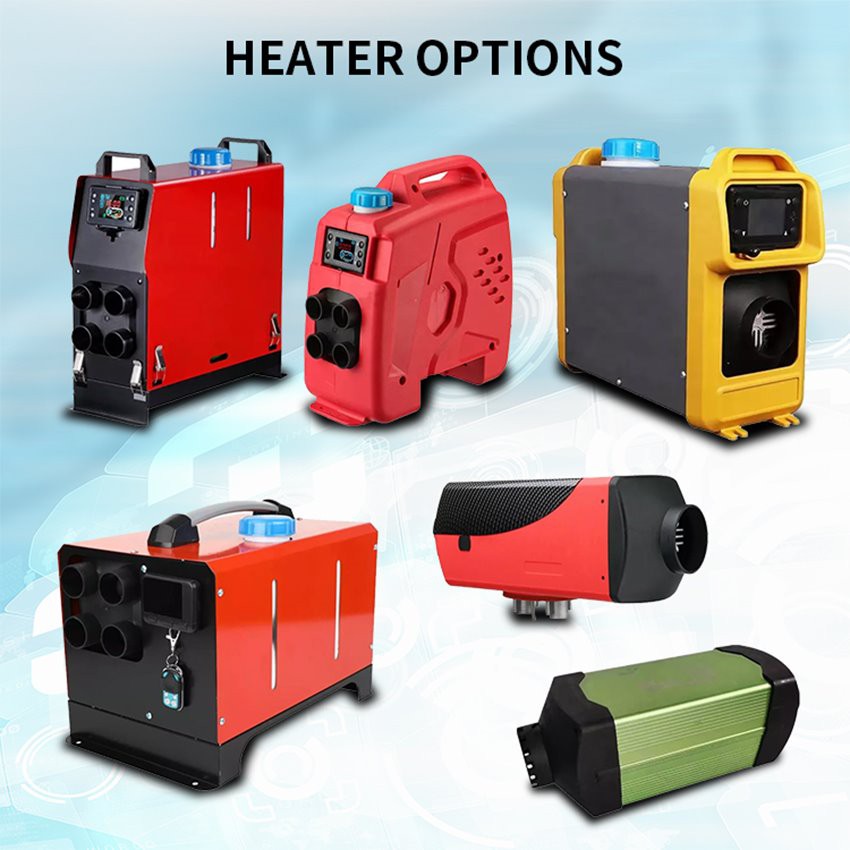
Matching specs to your use case
For deep cold zones (north latitude / high altitude) → go 8 kW 24 V.
For moderate cold / regional use → 5 kW 24 V.
For lighter trucks or occasional use → maybe 2 kW 12 V is enough (but not our main focus here).
Calculate: fuel consumption 0.12-0.6 L/h for the standard model; for higher power you may see slightly higher consumption, but compared to idling a full engine it's minimal.

Real-world scenario
One large fleet told me they swapped idling time for heating time: drivers used to idle 2–3 hours each rest, burning 3–4 litres of diesel; after installing cab heaters that dropped to under 1 litre for the same driver comfort. The savings added up monthly. (Hypothetical but based on real driver feedback patterns.)
Expert credibility & trust
In choosing a system you want a manufacturer who clearly documents specs, has control systems, diagnostics, remote access, warranty and installation support. JUKOOL decades plus experience, series kinds of heaters, customization, and support.

Final thoughts
If you're managing heavy trucks in cold climates, installing a 5 kW/8 kW diesel cab heater isn't just a comfort add-on-it's a strategic investment. It reduces idle cost, prolongs engine life, keeps drivers happier and can improve your uptime.


